The Huntsman
It’s almost dark but finally, after 3 airports, 2 flights and a dodgy rental car, you’ve made it.
You walk up the stairs, using your phone torch to find the black lockbox that’s supposed to be attached to the wall above the pot plant opposite the back door. A huntsman is there to greet you, but the lockbox remains elusive.
Panning around with the weak torchlight, you finally spot it.
It won’t open.
It’s properly dark now. You put your phone down, balancing it precariously on the pot plant to make use of the sliver of light it’s emitting and free up both hands to wrestle the lockbox.
It’s either corroded from salt air or hasn’t been used in a while. Either way, it’s not opening.
You sigh, sink to the ground, and try to message your host.
No signal.
You know there’s WiFi, but the password is written in the guidebook, which, according to your check-in instructions, is sitting inside on the coffee table.
The huntsman looks at you.
For a second, it almost feels like it nods.
Like it’s seen this all before.
That Holiday Feeling
You’ve already received a welcome message with access details before you arrive.
Google Maps seamlessly directs you to an actual address (none of that “third building on the right after the lemon tree” nonsense).
You walk up to the front door, enter your 4-digit code, and the door swings open.
As you step inside, your phone picks up the Guest WiFi, and the credentials work first time.
Soft lighting greets you, the living room is already at the perfect temperature, and there’s even jazz music playing quietly in the background. And if you’re not in the mood for jazz, your phone invites you to queue up your own playlist as you connect to the in-house sound system.
What a dream.
There’s a common misconception that creating this kind of experience behind the scenes takes a huge amount of coordination. And for a long time, that was true.
In the early days of holiday letting and Airbnb, one guest would vacate, often late. The cleaner, who had already been waiting nearby, would rush in and turn the property around in a tight window before the next guest, often early, arrived.
And how often did Guest Number One forget to return the key to the lockbox?
Guest Number Two arrives, standing at the front door with no way to get inside.
The cleaner gets called back to let them in. Another key needs to be cut. The owner is chasing down the previous guest. And if the key can’t be recovered, the locks need to be replaced altogether.
All of that just to get someone through the front door.
After that, a quick spritz of vanilla air freshener and maybe a token chocolate on the table becomes the “arrival experience” - because there simply isn’t time for anything more.
The best news for Airbnb owners? Access control and automation.
What used to take back-and-forth messages and perfectly timed key exchanges can now happen quietly in the background, creating a seamless experience from start to finish.
With digital front door locks, guests receive their own access code before they arrive. It works when they check in, and it stops working when they leave. No keys to collect, no lockboxes to manage, no wondering if access is still floating around somewhere.
From anywhere in the world, owners can see when guests have arrived and departed, and check that doors are locked.
Behind the scenes, everything is structured and controlled.
Guests receive a unique, time-bound access code before arrival.
The code works for the duration of their stay, and expires automatically after check-out.
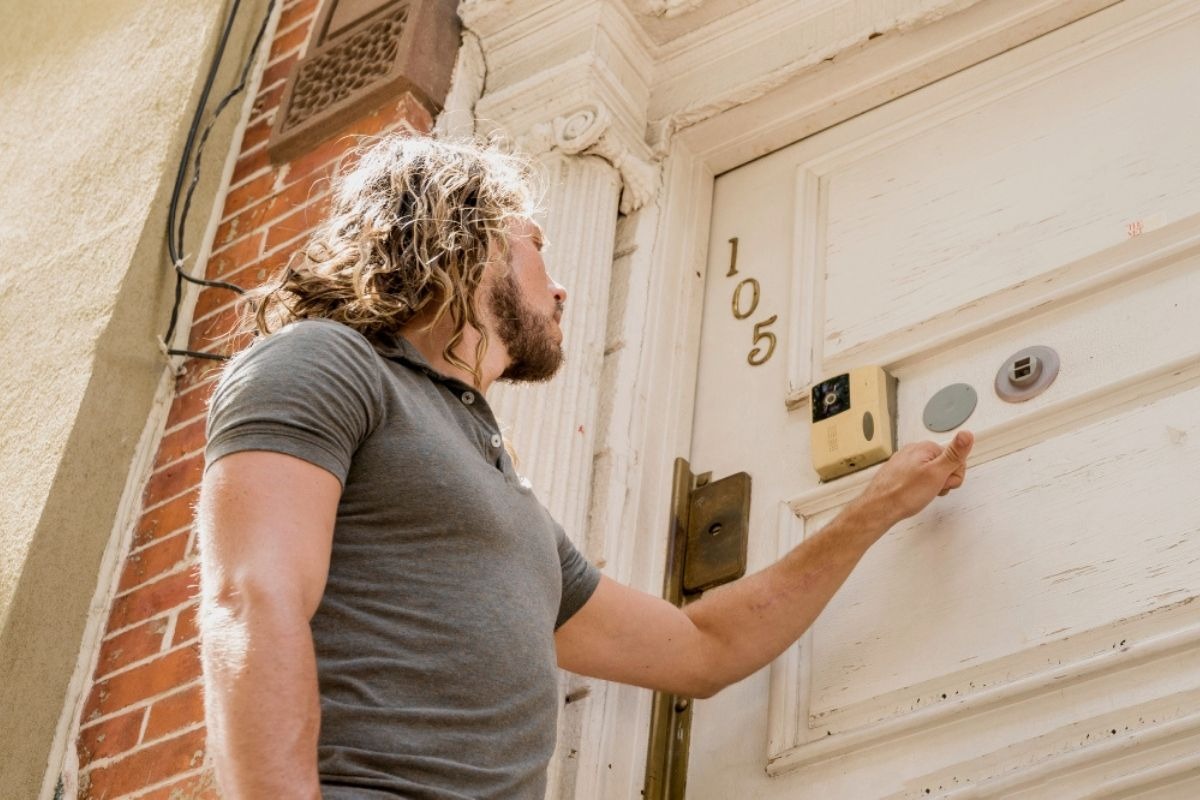
A remote intercom system allows owners or property managers to answer the door from anywhere.
And CCTV provides visibility of arrivals, visitors and activity around the property.
From a guest’s perspective, it just feels easy.
From an owner’s perspective, everything is controlled, automated and taken care of.
A Five Star Guest Experience
The magic doesn’t stop at the front door.
Systems like Clipsal Wiser allow the home itself to respond to each booking. Lights can switch on as guests arrive, the temperature can be set before they walk in, and everything can reset once they leave.
Guests arrive, enter their custom access code, and walk straight into a welcoming, considered space that already feels like home. It’s a 5-star experience from the moment they step inside.
And in a world where energy efficiency is becoming more important, the ability for owners to remotely switch off lights, appliances and WiFi when the property is empty is a simple but powerful advantage.
It’s not just guests who need access.
Cleaners, maintenance teams and occasional contractors all need to move through the property, often on tight schedules.
Instead of sharing keys or coordinating handovers, access can be assigned for a specific window of time.
A cleaner might have access between 10am and 2pm.
A tradesperson might have access for a single afternoon.
Once the job is done, access disappears automatically.
And when something a little more hands-on is required, you’re still in control.
Doors can be locked and unlocked remotely, with or without an access code. If a delivery needs to be placed inside, you can answer the intercom from your phone, check who’s at the door via CCTV, unlock it for a single entry, and lock it again the moment the job is done.
Short-term rentals are valuable assets.
And when they’re sitting empty between bookings, they can quietly become easy targets.
That’s where a well-designed system makes a real difference.
With CCTV in place, owners can keep an eye on key areas of the property, check in remotely, and receive alerts if something doesn’t look right - or if a door is open that shouldn’t be.
Paired with automation, lighting can respond in a way that makes the home feel lived in, even when it’s not.
It’s a simple layer of protection that works quietly in the background.
And if something does happen, having clear footage can make all the difference. It helps you understand exactly what occurred and can be invaluable when it comes to supporting insurance claims.
When cameras are positioned thoughtfully, and work in harmony with access control, the whole system feels considered and professional.
And for premium holiday accommodation, that doesn’t go unnoticed. It becomes part of the experience, and a quiet value-add that helps guests feel more comfortable the moment they arrive.
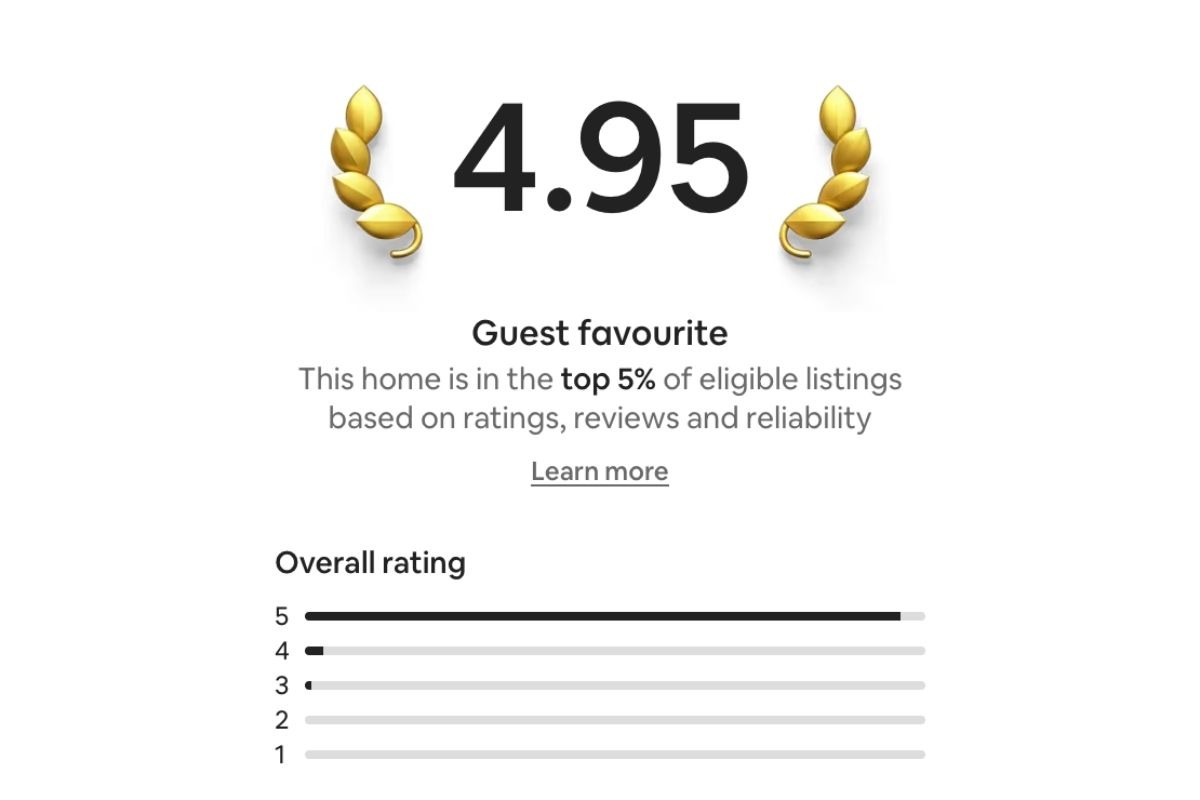
The Airbnbs that always seem to have back-to-back bookings, the ones labelled “rare find” or “usually booked”, tend to have one thing in common.
Consistently high ratings.
Top-rated hosts. Five-star reviews.
And when you read those reviews, a pattern starts to emerge.
Guests talk about how responsive and communicative the host was, even when much of the experience was automated.
They talk about how easy everything felt.
Clear instructions.
Seamless check-in.
Everything working exactly as it should.
“From the moment we arrived every little detail had been taken care of. We loved the thoughtful touches - it was the middle of winter but the house was warm and cosy when we walked in.”
“Jenna’s instructions were really clear and check-in was a breeze. Being near the beach, we loved having a code on the door so we could go for walks without worrying about a key.”
“We have a big family and we’ve done trips like this before. Keys get left in pockets, cars, wallets, bedrooms - and at least once someone ends up locked out. With a keypad code, our whole family could come and go as they liked, with no risk of losing a key.”
It all comes back to the same thing.
Ease.
When access is simple, clear and reliable, everything else falls into place.
And behind that experience is a system doing the work.
Digital locks managing time-bound access.
Intercoms that can be answered from anywhere in the world.
CCTV providing real-time visibility when it matters.
Together, they create something more than just security.
They create an experience that feels effortless for guests, and completely under control for owners.
And that’s the difference between a property that gets booked…
and one that gets booked again and again.
If you’re managing a holiday home or Airbnb and want to simplify access while improving the guest experience, it’s worth exploring what a modern system can do.