It's so early the sun isn't even up yet.
You've just parked the car and you're heading inside.
As you walk through the lobby, someone catches the door before it closes.
"Thanks."
They follow you into the building.
You assume they live or work there.
They're counting on you making exactly that assumption.
Just like that, they've bypassed your entire access control system.
No alarms.
No forced entry.
Just human nature.
And to be fair, it's not necessarily sinister.
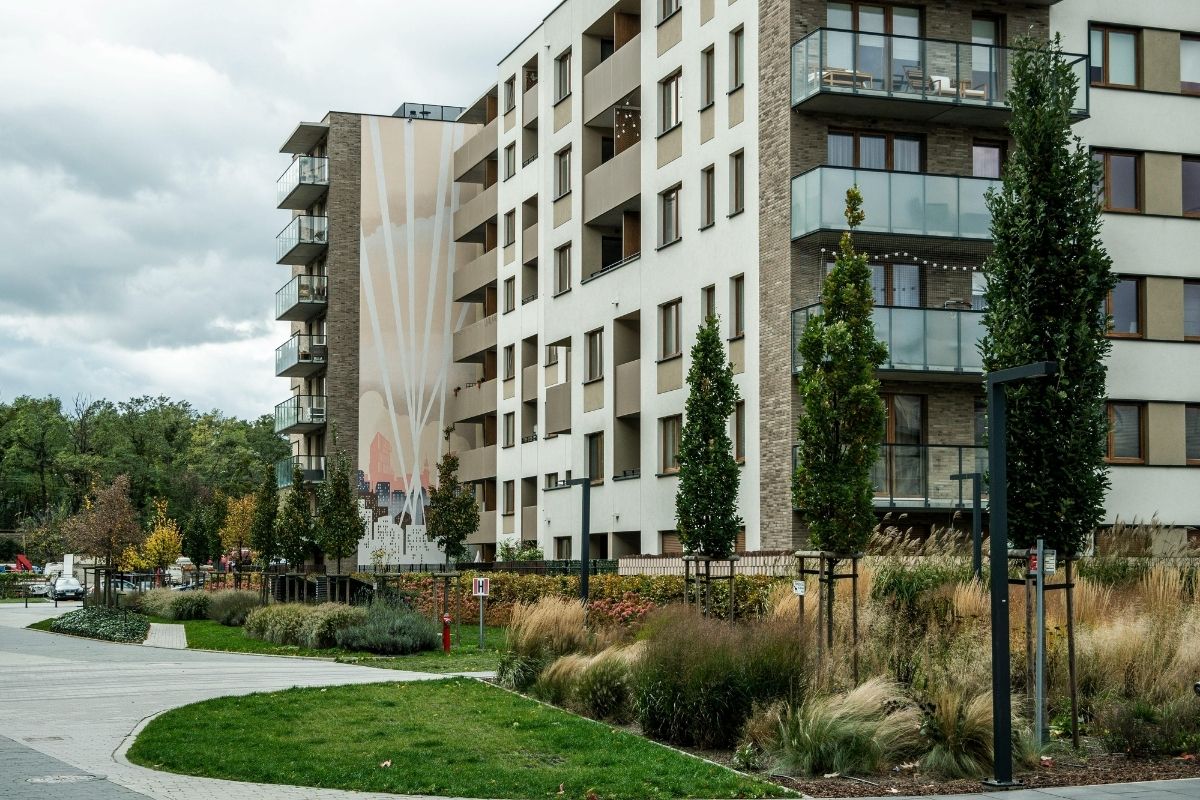
It happens every day in offices, apartment buildings, medical centres and commercial facilities across Australia. Most of us would instinctively hold the door open rather than let it close in someone's face.
The problem isn't courtesy.
The problem is certainty.
Did that person actually belong there?
Or did they simply look like they did?
Enter biometric access control.
Instead of identifying the credential, biometric systems identify the person using it.
Biometrics don't replace good judgement, and they won't stop someone politely holding a door open.
What they do provide is certainty at every controlled access point throughout a building.
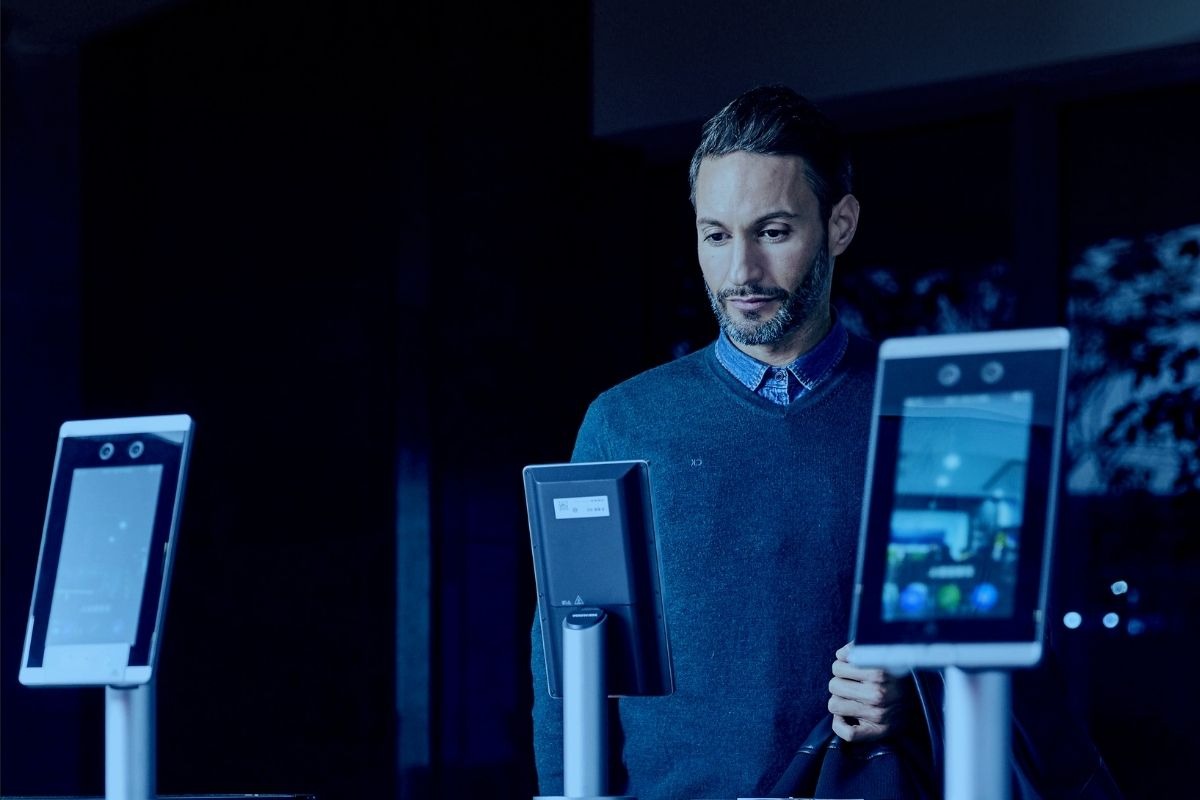
Instead of relying on a key, card or PIN, the system can verify the person standing in front of it.
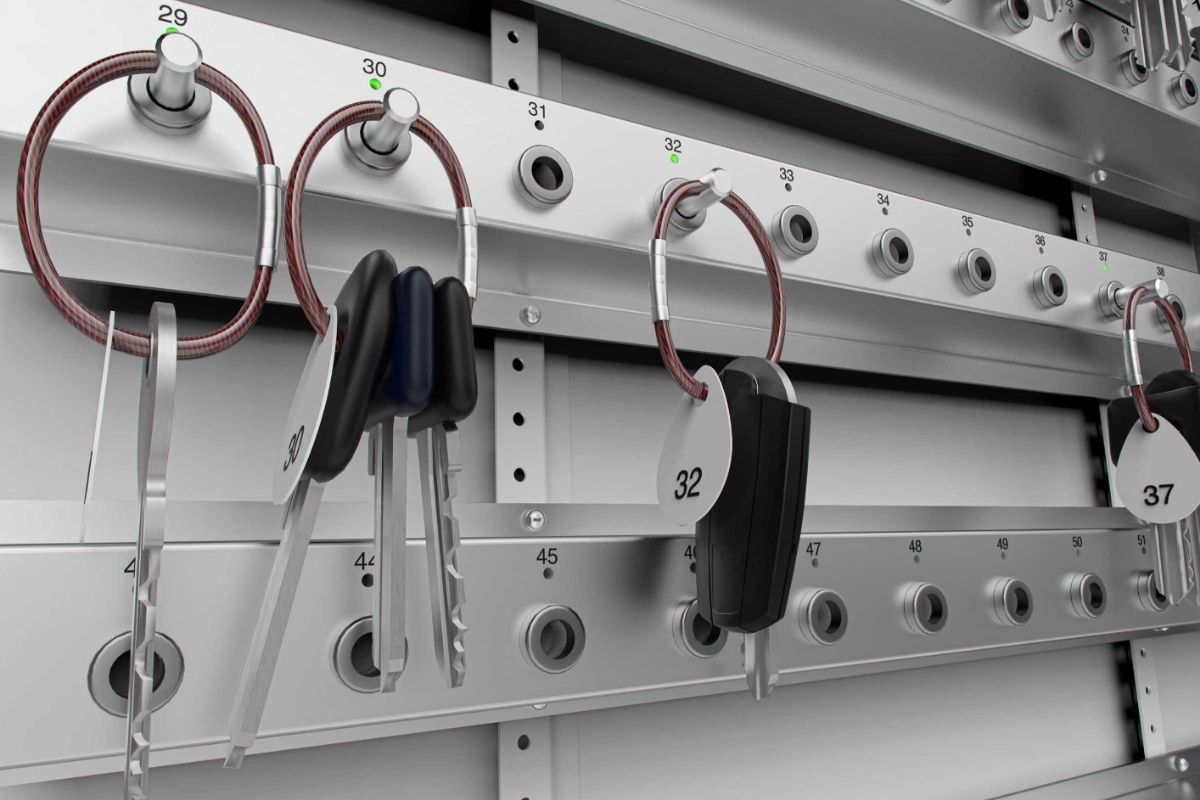
Access cards can be borrowed. PIN codes can be shared - but your face is considerably harder for somebody else to access.
That's why we're seeing more organisations move away from traditional credentials altogether.
For organisations managing dozens, hundreds or even thousands of users, biometrics can also reduce the ongoing burden of issuing credentials, replacing lost cards and managing access permissions.
Instead of relying on something you have to carry with you, or a PIN you have to remember, biometrics rely on something intrinsic to you.
Your face.
For a long time, improving security usually meant making life a little less convenient.
Another PIN to remember.
Another card to carry.
Another thing to remember.
Biometric access control turns that thinking on its head.
In many cases, security actually improves while the experience becomes simpler.
Employees can move through secure areas without breaking stride.
Residents no longer need to search for a fob at the bottom of a bag.
Visitors can be identified more quickly and confidently.
Behind the scenes, building managers gain a clearer audit trail and fewer access credentials to issue, replace and manage.
It's a rare example of technology making life easier for everyone involved.
It's usually one of the first questions we're asked.
And it's a fair one.
Most modern biometric access control systems don't rely on storing a photograph of your face for day-to-day identification. Instead, they generate an encrypted biometric template - a mathematical representation of your facial features - that's used to verify your identity when you present at a reader.
The objective is simple: to quickly and reliably answer one question:
"Is this the person standing in front of the door authorised to enter?"
For most businesses, biometrics aren't about surveillance.
They're about replacing keys, cards and PIN codes with a credential that's significantly harder to lose, share or misuse.
This is where DASH comes in.
A biometric reader is a great piece of technology - but on its own, it's just another device mounted beside a door.
The real value comes from everything it's connected to.
For one site, that might be a dedicated facial recognition or fingerprint reader replacing traditional cards and PIN codes.
For another, it might be a UniFi Intercom welcoming visitors, CCTV capturing every interaction, automated gates responding to authorised users, and access permissions updating automatically as staff come and go.
Increasingly, we're seeing organisations integrate biometric access with partner technology such as UniFi Protect and Hikvision, creating a single ecosystem for access control, CCTV and visitor management.
Every interaction becomes part of a clear, searchable timeline.
A visitor arrives.
The intercom with two-way audio and facial recognition verifies who they are.
Access is granted.
The CCTV system records the interaction.
The event is logged automatically.
From the user's perspective, it all feels effortless.
Behind the scenes, multiple systems are quietly working together to create a smarter, more secure building.
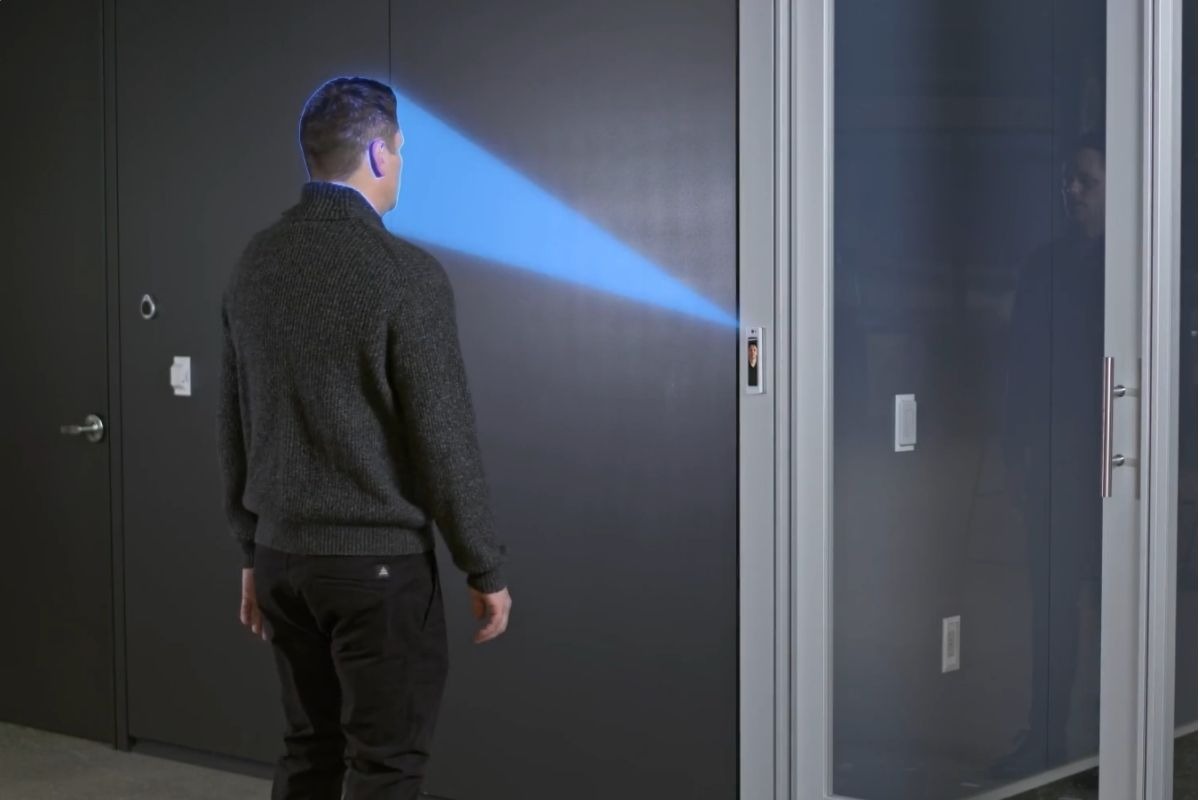
When most people think about biometrics, they think about unlocking a door.
In reality, that's just the beginning.
Once a building knows exactly who's moving through it, a whole range of possibilities opens up.
Visitors can be verified before they're granted access.
Contractors can be restricted to specific areas.
Staff movements can be logged automatically.
Security incidents become easier to investigate because you're no longer asking, "Whose access card was this?"
You're asking,
"Who was actually there?"
This is becoming increasingly important for pubs, clubs and licensed venues, where access control isn't just about security - it's also about meeting specific compliance requirements.
AI-powered platforms such as UniFi Protect and Hikvision AcuSense take this a step further by making recorded footage faster and easier to search.
Instead of manually scrolling through hours of video, security teams can quickly locate people, vehicles or events, dramatically reducing the time it takes to investigate an incident.
It's a smarter way to manage buildings.
Better accountability.
Faster investigations.
Greater certainty.
And it all starts with knowing who's standing at the door.
The short answer is that biometrics are finding a home almost anywhere people need to control access.
Commercial offices.
Body Corporate and residential buildings.
Schools and childcare centres.
Warehouses.
Industrial facilities.
Medical practices.
Anywhere security, convenience and accountability all matter.
One of the biggest misconceptions is that biometric access control is only for high-security sites.
In reality, it's just as valuable in everyday buildings where managing keys, cards and PIN codes has quietly become an administrative headache.
For most organisations, biometrics aren't replacing security.
They're replacing the credential.
Instead of carrying a card, remembering a PIN or managing a fob, authorised users simply use the one credential they're guaranteed to have with them.
Their face.
A few years ago, unlocking your phone with your face felt futuristic.
Today, most of us barely think about it.
Biometric access control is following exactly the same path.
What once felt like something reserved for airports and high-security facilities is quickly becoming an everyday part of commercial buildings, residential complexes and workplaces.
Not because it's flashy - because it works.
The best technology rarely draws attention to itself.
It removes friction, simplifies everyday tasks and solves problems that have existed for years.
Keys get lost.
Cards wear out.
PIN codes get shared.
Your face has a remarkable habit of turning up every day.
Whether you're securing a commercial office, Body Corporate, warehouse, childcare centre or industrial facility, biometric access control can make everyday security simpler to manage and significantly harder to compromise.
DASH Symons Group designs and installs integrated access control systems across the Gold Coast, bringing together biometric readers, UniFi Access, UniFi Intercoms, Hikvision solutions, CCTV, networking, gate automation and ongoing support into one seamless security ecosystem.
Every building has different security requirements. We'd be happy to help you explore the biometric access control options that best suit your site.
Get in touch with the DASH team to start the conversation.