
Few questions can derail a workplace quite as quickly as:
"Has anyone seen the keys?"
Karen checks the key cabinet, then Sophie double-checks. Petra searches every drawer at the front desk. Pockets are emptied, jackets shaken, purses turned upside down.
Bill definitely had them earlier, but Bill's gone to lunch and left his phone on his desk, and nobody's entirely sure which car he took.
For a business managing one or two keys, it's an inconvenience.
For a Body Corporate, commercial building, hotel, car dealership or facilities team responsible for dozens - sometimes hundreds - of keys, it's a security problem.
And the value of a key has very little to do with the piece of metal itself.
A vehicle key gives someone access to a $70,000 car. A master key might open multiple areas throughout an apartment building, where losing it could trigger an expensive exercise in replacing locks and reissuing keys across the property. Another could unlock a plant room filled with critical infrastructure, a filing room containing confidential records, or a storage area holding expensive equipment.
Once that key leaves the cabinet, knowing exactly who has it, when they took it and when it came back suddenly matters quite a lot.
This is where intelligent key management comes in.
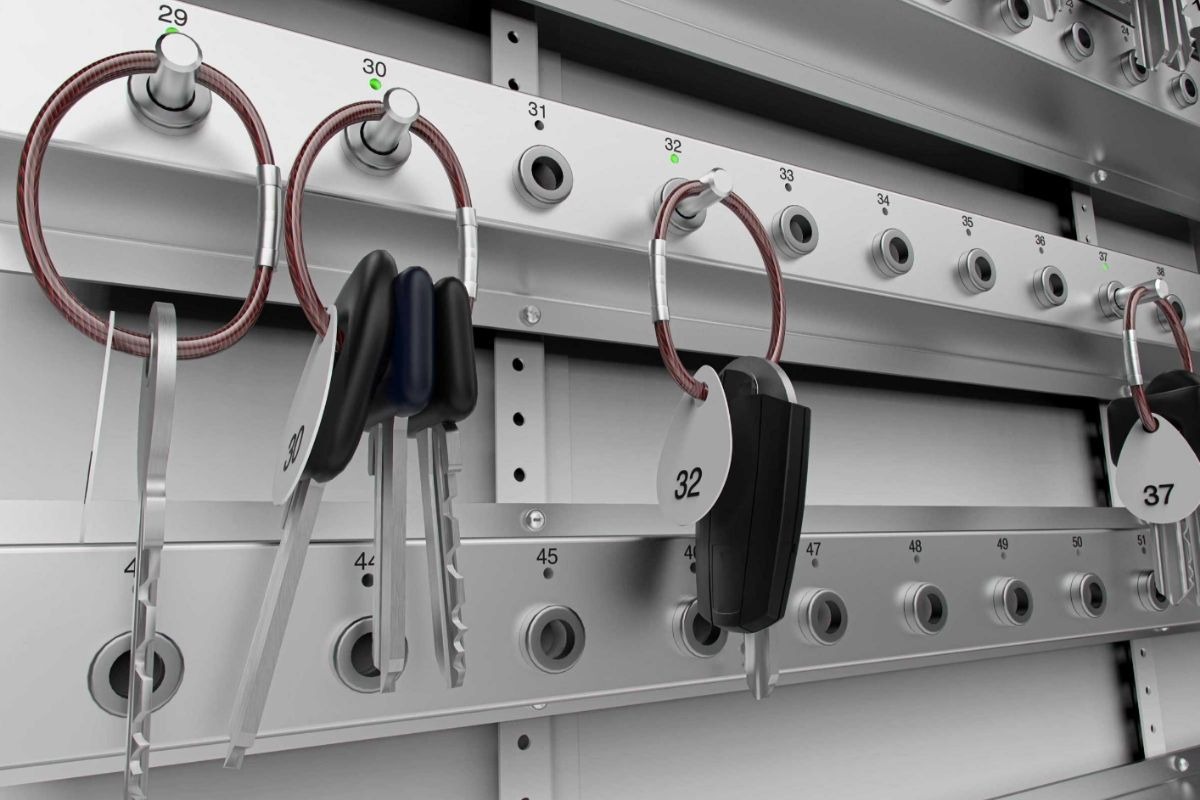
Creone's electronic key cabinets bring the kind of control and traceability we've become accustomed to with digital access control to the physical keys businesses still rely on every day.
And yes, you'll finally know whether Bill has them.
A traditional key cabinet is very good at answering one question:
Is the key here?
And if the answer is no, an old-fashioned key cabinet offers very little assistance in solving the mystery of where it's gone!
Creone's intelligent key management systems give individual keys their own identity, allowing businesses to control which users can access particular keys - and to maintain a digital record of key activity. Depending on the system, users can identify themselves using a personal PIN or access card, while administrators manage permissions through Creone's KeyWin software.
Every event is automatically logged, providing a clear history of who accessed a key, when it was taken and when it was returned. Administrators can see which keys are currently checked out, identify who last used one and review activity when something needs investigating.
Permissions can also be tailored around the people using them. Access can be assigned to individual users or groups and restricted to particular times, so someone can have access to the keys required for their role without automatically gaining access to everything in the cabinet.
From a user perspective, it’s only a subtle shift from the humble key cabinet - but operationally, it closes a significant gap between physical keys and the sophisticated access-control systems protecting the rest of a property.
At any thriving car dealership, keys are moving constantly between sales staff, service departments, potential buyers heading out for test drives, and the broader team.
Between brand new demo models, used cars and customer vehicles being serviced, there’s a vast and sprawling collection of vehicles - and keys - to keep track of.
So when someone needs the keys to the new white Hilux and they're not in the cabinet, an investigation begins. Greg from the back office is called in. John from upstairs gets involved. Eventually, a search and rescue party (usually Petra and Sophie) is deployed to recover the missing key.
With intelligent key management, the team can see who accessed the key and when, rather than launching a workplace-wide investigation into where Bill went for lunch today.
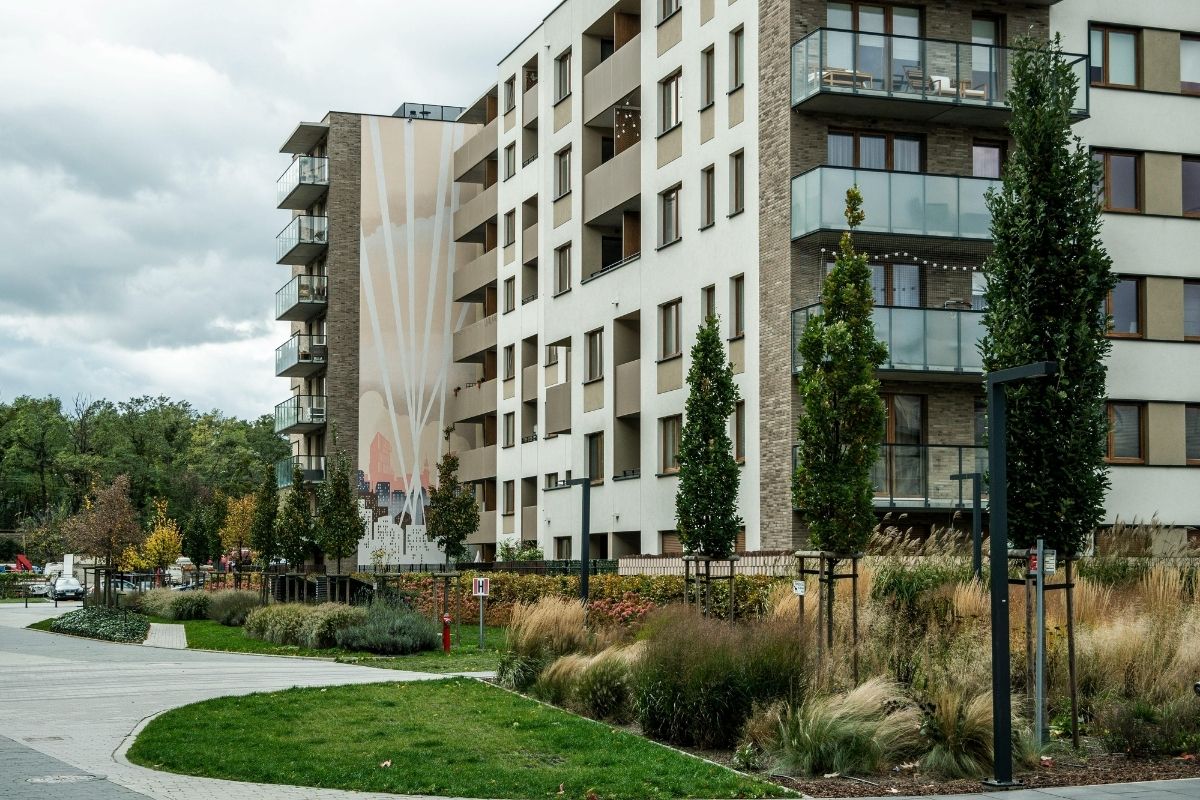
For Body Corporates and residential apartment buildings, there may be keys for plant rooms, electrical infrastructure, storage areas, cleaners' rooms, common facilities and other restricted spaces. Building managers and approved contractors can be given access to the keys they need, with a record of who collected and returned them.
For commercial buildings and facilities teams, intelligent cabinets can manage keys for areas where installing dedicated electronic access control at every door may not be practical - mailrooms, storage areas, loading facilities, plant rooms and utility spaces, for example.
For hotels and accommodation providers, physical keys remain part of everyday operations across housekeeping, maintenance, kitchens and back-of-house facilities. Creone itself highlights hotels as a key application, and its Hilton case study describes moving away from manually signing keys out at reception to digitally controlling and recording access.
For law firms, accountants and other professional services, there may still be filing rooms, archives or storage containing confidential physical records where access needs to remain restricted and accountable.
Then there are schools and universities, warehouses, industrial facilities, marinas, fleet operators and healthcare facilities - anywhere a physical key still provides access to something valuable, sensitive or restricted.
The more important the assets behind those keys, the more important it becomes to know exactly where each key is.
A key cabinet is usually pretty unimpressive on the inside.
A row of keys.
Maybe some labels.
A couple of battered plastic tags that have clearly seen things.
But collectively, those keys can represent access to an enormous amount of value.
Vehicles. Machinery. Buildings. Restricted areas. Equipment. Confidential records. Master-key systems. Safety deposit boxes.
If access to the asset matters, controlling access to its key matters equally.
Creone's Keycontrol systems can take that a step further with individually identified key pegs. Lockable versions physically secure an individual key in position until an authorised user accesses it, while unauthorised removal from non-lockable positions can trigger an alarm.
Gone are the days of relying on a basic cabinet door to protect the keys to hundreds of thousands of dollars' worth of assets.
For larger organisations, one of the more attractive features of the Creone system is the ability to give different people different permissions.
It’s rare that a cleaner needs access to the same keys as the building manager.
A contractor servicing an air-conditioning unit doesn't need unrestricted access to keys for the entire building.
And someone working Monday to Friday would usually have no good reason to be collecting a key at 11pm on Saturday.
Creone's KeyWin platform allows administrators to assign access to individual users and groups, associate them with relevant keys, and apply time-based restrictions where required.
That makes the cabinet part of the organisation's broader access strategy, rather than the place where all the physical keys happen to live.
For organisations already using electronic access control, Creone can also integrate with third-party systems, including access control and alarm platforms, bringing physical key management into the broader security environment.
With a modern key management system in place, that question becomes very easy to answer.
And you don't need to be standing in front of the key cabinet to know if the key is there.
There's a clear access record showing who took which key, when it left and when it came back.
For businesses managing valuable assets, restricted areas or large numbers of physical keys, that's a significant improvement on a clipboard, a sign-out sheet and collective faith in everyone's memory.
For the highest level of security and access management, modern electronic access control remains the preferred solution. But fitting electronic access control to every door, cupboard, storage area or asset isn't always practical - and depending on the size of the property, the cost can add up quickly.
That's where intelligently managed physical keys can still play an important role. They allow businesses to retain conventional locks where they make sense, while introducing far greater visibility, accountability and control over who can access the keys.
Physical keys will remain part of the furniture in many environments for years to come. Creone provides a smart way to manage them, and can form part of a broader security strategy alongside electronic access control.
If your business is still relying on a traditional key cabinet, talk to DASH Symons about Creone intelligent key management and a solution designed around the people, property and assets you need to protect.
.jpg)