Everything was fine at 5pm.
The staff locked up, went home and enjoyed their usual Tuesday evening.
Come 7am Wednesday, tens of thousands of dollars' worth of stock had to be thrown away.
Zero theft. It wasn’t vandalism. There wasn’t even any dramatic equipment meltdown.
Just a refrigerator that slowly but persistently drifted above its required temperature range overnight.
And when the contents of a single fridge are worth five or six figures, a seemingly small oversight can become a very expensive morning.
When people think about critical business infrastructure, they usually think about:
But for many businesses, the most critical piece of equipment is sitting quietly in the corner humming away.
A fridge.
Or a freezer.
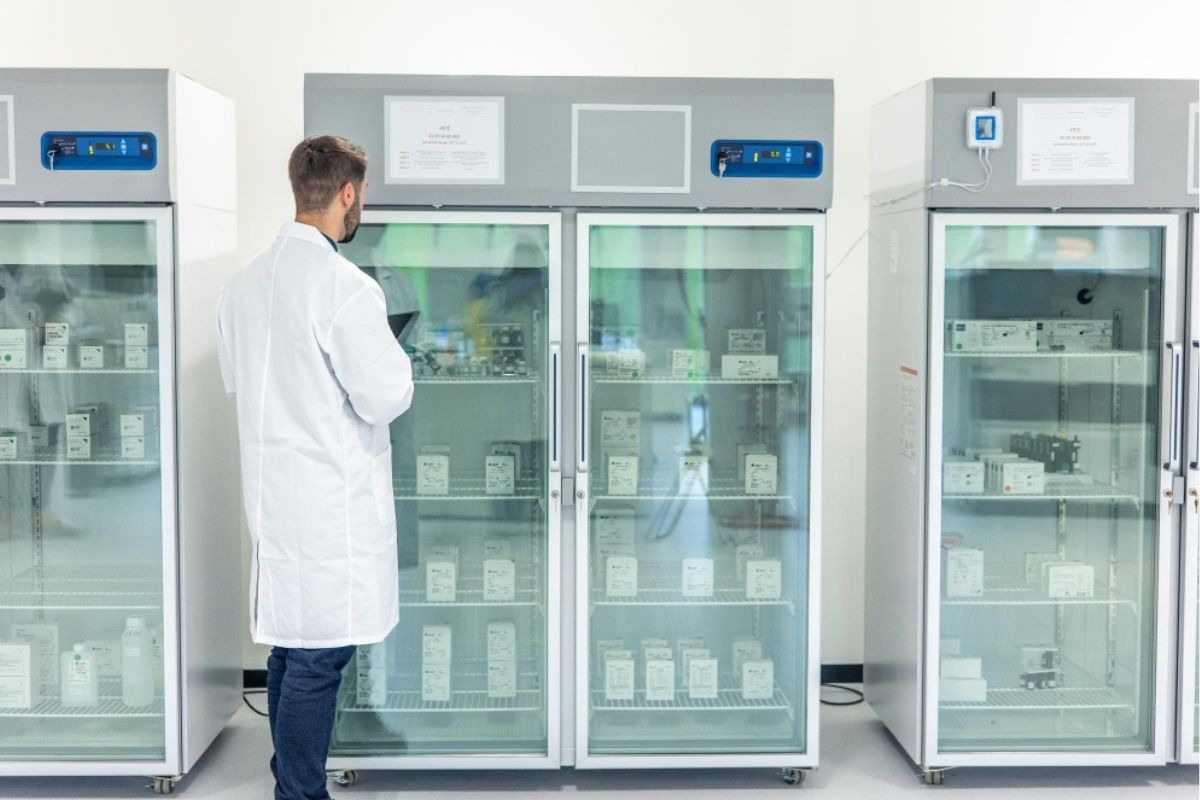
GP clinics, medical centres, vets, dentists, pharmacies, butchers, laboratories and food businesses all rely on refrigeration to maintain critical temperatures and protect valuable stock.
Vaccines.
Medications.
Biological samples.
Food products.
Temperature-sensitive assets.
In many cases, these businesses are responsible for maintaining a temperature-controlled environment 24 hours a day, seven days a week.
Most of us would naturally assume that if a fridge is cold now, it's been cold the entire time.
The problem is that temperature-sensitive assets don't just care what the temperature is right now.
They care what it was at 2am, 4am and 6am when nobody was around.
And in many cases, the contents are worth tens of thousands of dollars.
Sometimes much more.
For years, many businesses have relied on manual temperature logs.
A staff member walks around each day, checks the display, writes down the temperature and moves on.
Job done.
Or is it?
The problem is that a single temperature reading only tells you what was happening at that exact moment.
It doesn't tell you what happened overnight.
It doesn't tell you if the fridge briefly lost power.
It doesn't tell you whether the temperature has been slowly climbing for the last six hours.
And it certainly doesn't tell you what happened at 2:17am on a Sunday morning.
One recent example involved a business with dozens of fridges and freezers spread across a single site.
Staff were spending significant time manually recording temperatures every day to satisfy temperature compliance requirements.
Despite all that effort, they still didn't have true real-time visibility into what was happening.
They were collecting data.
Just not the data they actually needed.
The problem with refrigeration failures is that they're usually silent.
Nobody hears an alarm.
Nobody receives a phone call.
Nobody notices anything unusual.
Meanwhile, the critical temperature inside the fridge is drifting further and further outside acceptable limits.
By the time someone discovers the issue, the damage has already been done.
And unlike many other equipment failures, refrigeration problems often come with regulatory implications as well.
For medical facilities, compromised vaccines and medications may need to be discarded.
For food businesses, entire batches of product can become unsellable.
For everyone involved, the cost of replacement often dwarfs the cost of prevention.
Modern temperature monitoring systems are changing the game.
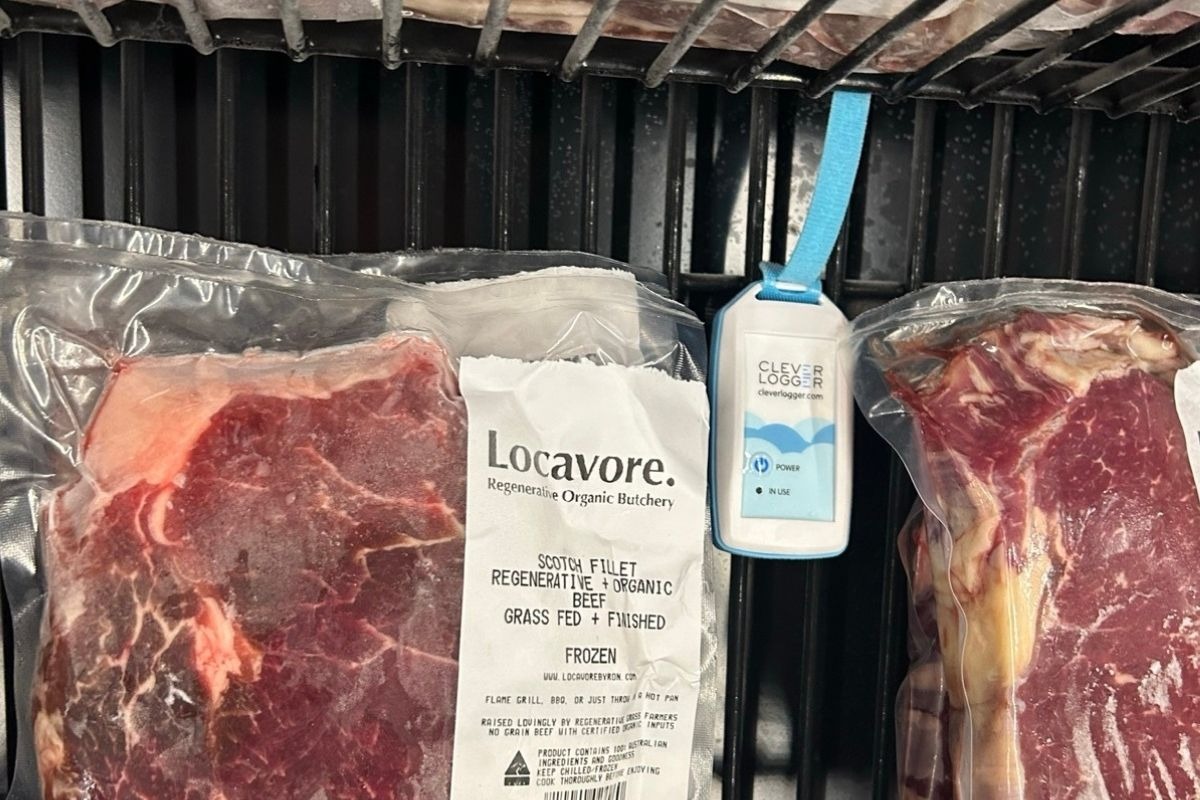
Rather than relying on daily checks, battery-powered sensors sit inside the fridge or freezer and continuously monitor conditions.
If a critical temperature threshold is exceeded, alerts can be triggered immediately.
In some cases, businesses can be notified before stock is lost.
Even more importantly, temperature trends can be monitored over time.
Instead of discovering a failure after the fact, businesses gain visibility into issues as they begin to develop.
That extra time can make all the difference.
For businesses operating temperature-controlled environments, this level of visibility is rapidly becoming essential rather than optional.
This is where things get interesting.
The temperature sensors themselves are only one part of the solution.
The real challenge is building the infrastructure that allows the entire system to operate reliably.
At DASH, we already manage:
Adding temperature monitoring into that ecosystem is a natural extension of what we already do every day.
Because while the sensors collect the data, somebody still needs to design, install and support the network that delivers it.
That's where our team comes in.
From cabling and connectivity through to commissioning, documentation and handover, we deliver the complete solution.
Whether it's a medical practice maintaining critical temperatures for vaccines, or a food business undertaking cold storage monitoring across multiple freezers, reliable infrastructure remains the foundation of the entire system.
This is where integrated systems start to shine.
Imagine a temperature alert comes through at 11:43pm.
Fridge number three is rapidly increasing in temperature.
Why?
Instead of guessing, you pull up the CCTV footage covering that area.
Within seconds, you discover somebody left the fridge door open.
Problem identified.
Phone call made.
Door closed.
Potentially tens of thousands of dollars saved.
Temperature monitoring tells you there's a problem.
CCTV helps tell you why.
Nobody wants to arrive at work and discover that critical stock has been compromised overnight.
Nobody wants to explain why thousands of dollars' worth of inventory needs to be thrown away.
And nobody wants to rely on a clipboard and a once-a-day temperature check to protect high-value assets.
Whether you're storing vaccines, medications, food products or laboratory samples, maintaining critical temperature conditions isn't optional. It's a core part of protecting stock, meeting compliance requirements and avoiding costly losses.
The good news is that modern monitoring technology makes these risks far easier to manage than they were even a few years ago.
Because when a fridge failure can cost $50,000 or more, knowing about the problem after it happens simply isn't good enough anymore.
DASH Symons Group provides complete temperature monitoring infrastructure solutions, including network design, data cabling, connectivity, monitoring systems and CCTV integration.
Whether you're protecting vaccines, medications, food products or other temperature-sensitive assets, our team can help design a solution that provides visibility before small problems become expensive ones.
Contact DASH Symons Group to learn more.