The Dream, the Space… and the To-Do List
You finally took the plunge. You’re out of the city - and you’ve got space.
Five acres, maybe ten.
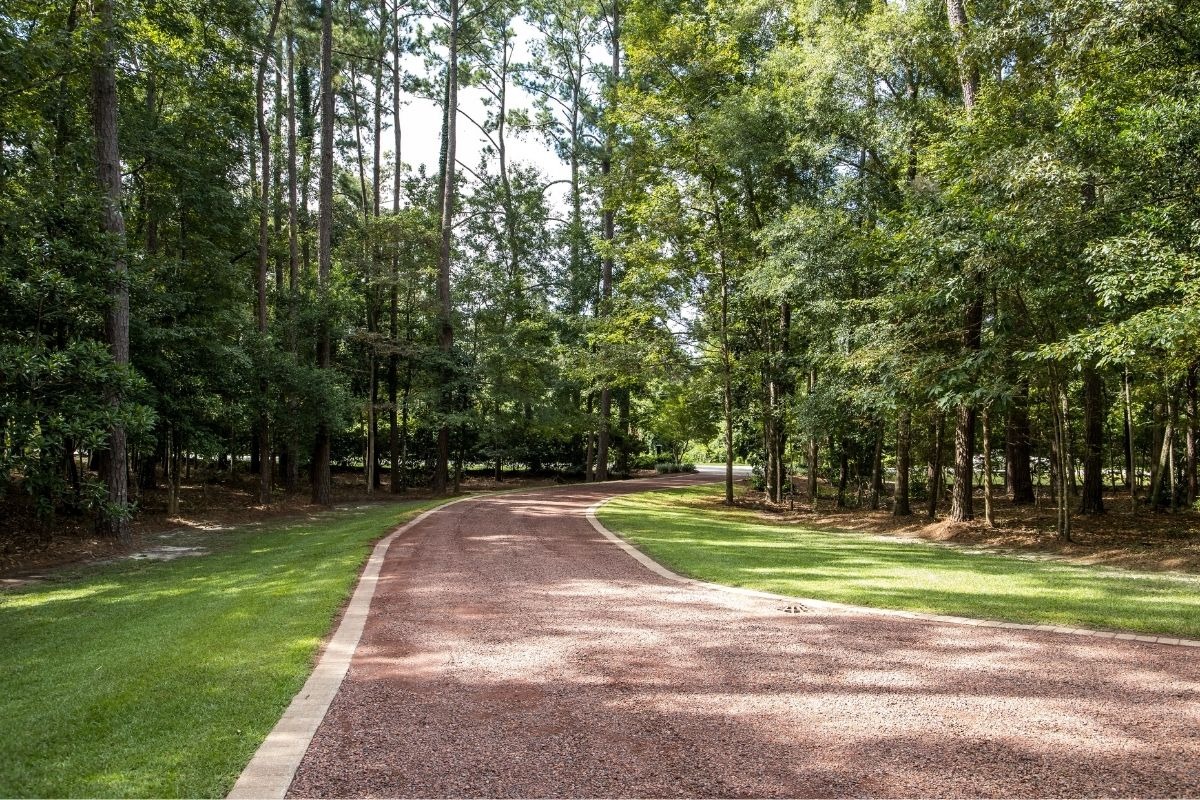
A long driveway that curves impressively out of sight.
There’s a main house, a shed… maybe a second dwelling tucked out the back.
It’s quiet. It’s private. It feels like you’ve made it.
The honeymoon phase lasts a while. Everything feels like an adventure - the start of something new, something better.
Fresh air, open space, endless potential.
And then… the list begins.
Last week, one of our team got a call. “Hey, just after a simple camera on the front gate.”
Sounds easy enough - except the gate was 500 metres from the house.
That’s the part people don’t always picture. The distance, the space in-between what you have and what you need. The bit where nothing exists yet, but everything needs to.
So what starts as “just a camera” quietly turns into a full setup:
It was a bit more than the $300 camera and a couple of screws they had in mind.
To say the owner was surprised would be an understatement. But on hinterland properties, this can be a common outcome when the bigger picture hasn’t been mapped out early.
On larger properties, things don’t usually blow out all at once.
They build slowly.
A gate gets added… then a pump.
A few lights along the driveway. WiFi to the shed “at some point”.
Security, eventually.
Each decision makes sense in isolation.
But no one really steps back and looks at how it all fits together.
So trenches get dug… then dug again.
Cables run one way… then another.
Different trades come in at different times, solving different problems.
And before you know it, the cost isn’t just adding up.
It’s multiplying.
We recently worked on a 10-acre property that had grown over time.
Not in a bad way - in a way that made sense as the owners lived in it.
A workshop here, a guest cabin there, an extra studio space, a sauna, a couple of sheds.
Each addition solved what was needed at the time.
But underneath it all, the infrastructure had slowly turned into a patchwork.
Everything still worked - it was safe, it was functional.
But expanding it further? Maintaining it? Understanding it?
That’s where things started to get… a bit wild.
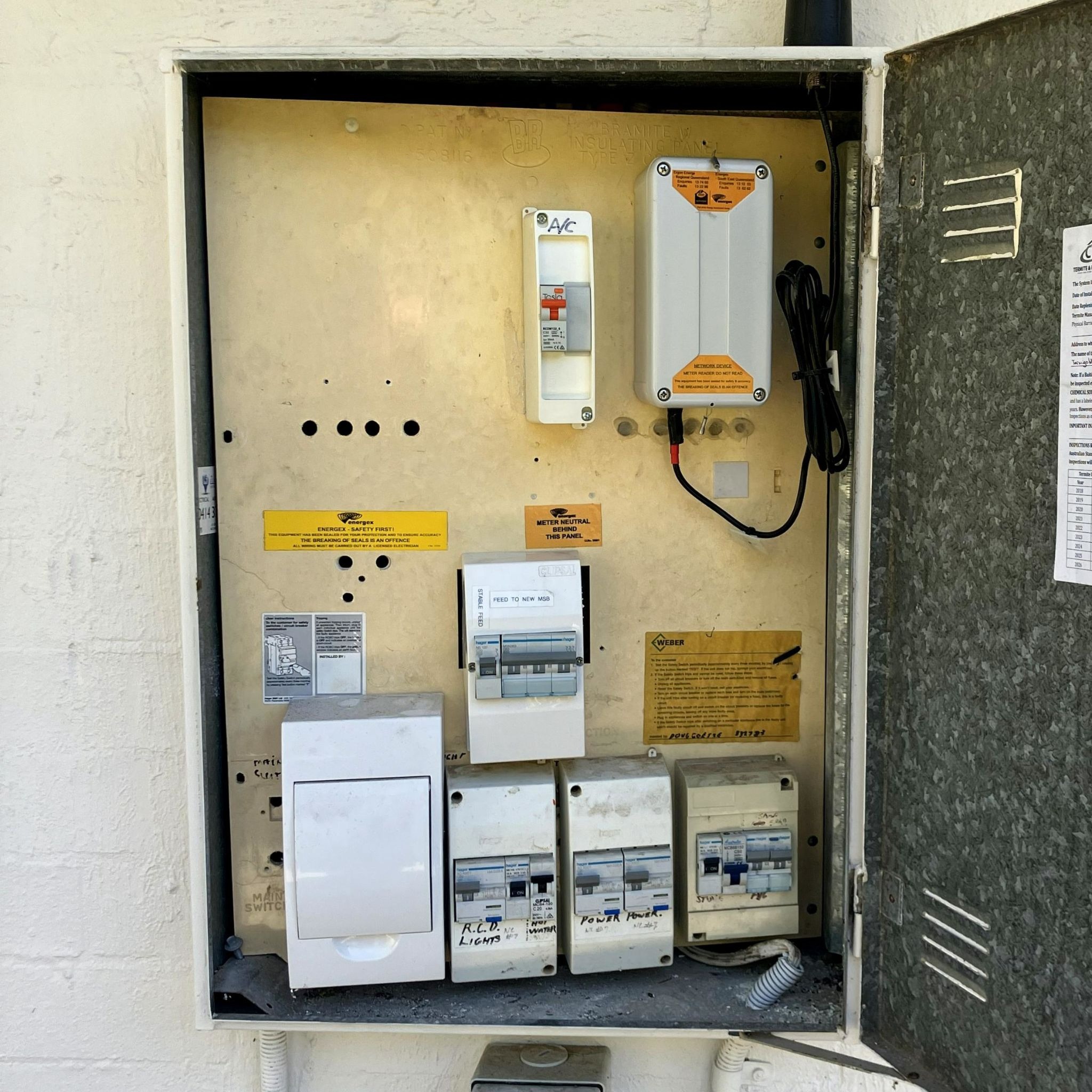
The switchboard told the story best. Layers of upgrades, additions, tweaks - all stacked on top of each other, with no clear structure tying it all together.
This is where things start to feel different. The solution isn’t doing less - you need what you need. It’s about thinking differently from the start, and seeing your property through a long-term lens.
Instead of asking:
“What do we need right now?”
It becomes:
“What do we want our future here to look like?”
“Where do we need power to go - not just today, but in five years?”
“What’s happening at the front gate, the shed, the boundary?”
And the big one (which our design consultants love to answer!),
“How can we make all of these aspects connect intelligently?”
Once you start asking those questions, the answers tend to simplify everything.
There’s a moment on pretty much every property where a trench gets dug.
Usually it’s created as a single-purpose trench;
Trench dug, problem solved, cold beers served.
But then, months later, another trench gets dug… right next to it.
Same ground. Same effort. Different day.
With a bit of planning, that first trench can carry everything:
It’s the same amount of work, delivering multiple results and solving multiple problems - and it brings a completely different outcome long-term.
On acreage, nothing really exists in isolation.
Power affects connectivity.
Connectivity affects security.
Security affects how the property is used day-to-day.
Add in irrigation, drainage, backup power, automation… and suddenly it’s not a list of jobs anymore.
It’s a system.
And systems work best when they’re designed that way from the start.
There’s also the reality of the environment.
Longer power lines.
More exposure to storms.
Voltage fluctuations unique to remote and rural properties.
Not to mention livestock, increased demands on equipment, increased demand for electricity to power machinery.
Setups for larger properties need to be properly considered - ideally, at the beginning.
Factoring in things like protecting equipment from surges, stabilising power supply, isolating appropriately.
When a system is designed properly, you don’t notice it - which is exactly the point.
This one tends to sneak up on people.
Everything looks great.
Everything’s installed.
But the one spot you actually need WiFi signal?
Nothing.
Planning for connectivity early means:
Instead of chasing fixes later.
This doesn’t mean doing everything at once.
It means thinking it through once, then building it out over time.
Get the backbone right:
Then layer in everything else as you go.
It’ll save you stress, money, resources - and most importantly, it will save you the one thing we can’t buy more of. Time.
Large properties don’t have to be complicated.
But they do reward a bit of foresight.
With a clear plan, your electrical and security systems can be staged, scalable and sustainable - built to grow with your property, not against it.
So you can enjoy the rural lifestyle you had in mind, without the unexpected budget surprises.