Nobody likes a sassy gate.
It opens for utes but not cars. Rumours say the sensor is particularly sensitive to bright, sunny days. It sometimes appears to have a nervous twitch, and every now and then (often after a storm) it behaves like it’s possessed by something from the underworld.
The crew in the yard know the playbook: push the button once (not twice!), don’t tailgate the vehicle in front, and wait a few extra seconds after it opens just to make sure it’s all the way up (and staying there).
It’s the newbies that are the concern. The ground crew do their best to demonstrate the quirks during induction, but nobody will write down the tricks to get through safely. That’s understandable, because writing them down would be an admission that the gate has some serious issues.
When clunky workarounds have become normalised, the system is failing. And the trouble with a failing system is that it never picks a convenient moment to die completely.
A shutdown over the silly season gives you an opportunity, and here’s how we’d use it.
Try replacing a gate motor at 10am on a Tuesday and you’ll find out exactly how many vehicles come through of a morning (and how many drivers have opinions about it).
Most upgrades are far easier when the building is empty. A gate motor can be swapped and its safety sensors tested properly, without a line of vehicles queuing down the street.
An intercom can be replaced without a visitor waiting at the door.
Cabling can be run and switches changed over without anyone losing a video call mid-sentence, and access control can be reprogrammed and tested without locking out the one person who needed to be in early.
When everyone comes back, the new system is just there. Nobody has to learn a new routine halfway through a busy week.
If your business doesn’t close over Christmas, the same thinking works for any quiet window: school holidays, a slow stretch between peak periods or a long weekend.
Start with the unwritten playbook. Ask the people who use the gates, doors and network every day what they’ve learned to work around. They’ll know, and they’ll probably be relieved someone asked.
These are some of the common culprits:
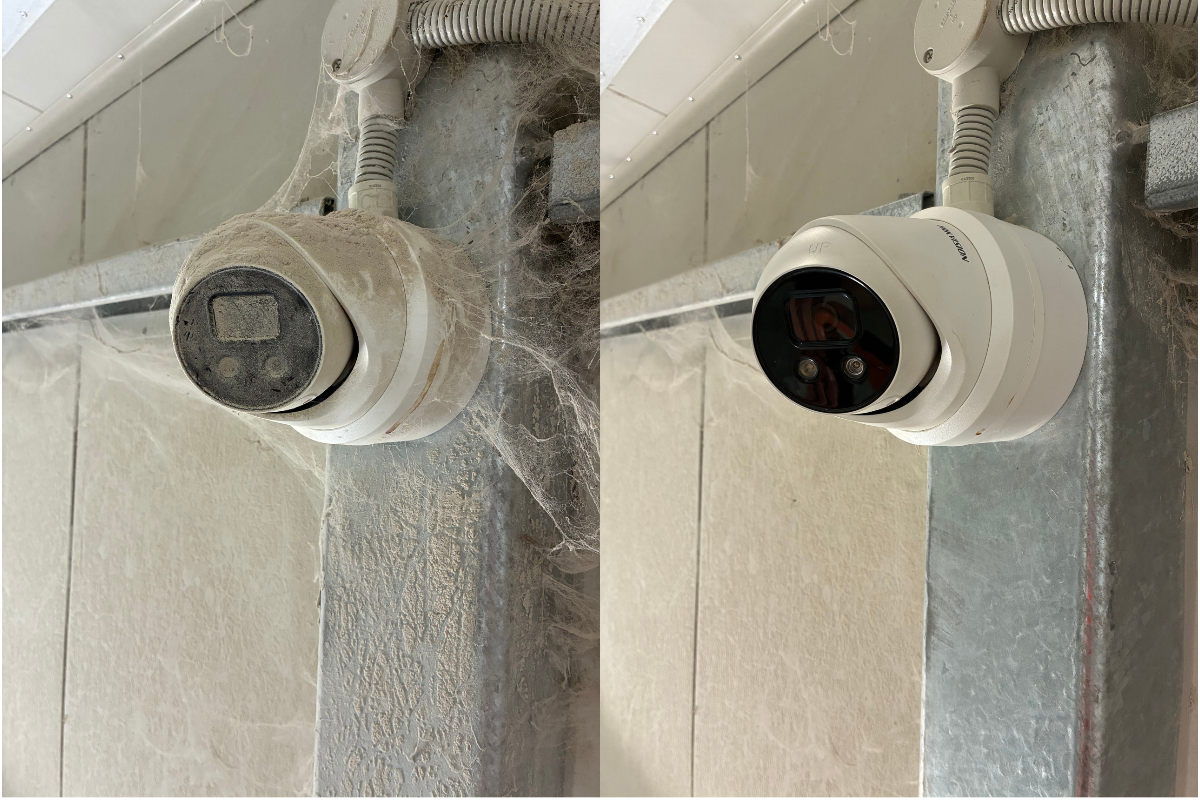
Gates. Slow or jerky movement, reversing for no clear reason, a remote that only works on the third press, grinding noises, a boom arm that’s taken a knock and no longer sits level. Gates live outdoors, surrounded by salt air and moisture, with moving parts that need regular attention. Small symptoms tend to grow, and they rarely get better on their own.
Intercoms. Crackly or one-way audio, a washed-out picture, a button that needs a firm thump, calls that don’t always reach the phone they’re meant to. Older systems often rely on several control units and exposed electronics. After years of sun, rain and salty air, a repair can turn into a hunt for a part that hasn’t been made since the Sydney Olympics.
The network. Cameras that drop off and reconnect, Wi-Fi dead spots, remote access that works on Tuesdays but not Wednesdays, a comms cabinet that doubles as the Christmas decoration store. Cameras, intercoms, access control and remote access all rely on the network, so a weak network can make every other system look unreliable. (Our Christmas shutdown checklist covers what to check before the break. This is about what to plan once you’ve found something.)
Not everything old needs replacing. An ageing intercom on a rarely used side door is a very different problem from a temperamental gate that every delivery goes through.
For each item on your list, ask two questions. How much would it hurt if it stopped on a Monday morning, and how long would it take to fix? Anything critical and slow to repair goes to the top. Anything old but low-stakes can wait, as long as someone is keeping an eye on it.
Even a one-page list turns a vague worry into a plan. It also gives you something to budget for, rather than an invoice that arrives on the worst possible day.
Here’s the catch with shutdowns: everyone’s trades are suddenly in demand, and the equipment you need doesn’t always arrive overnight. A site visit, a quote, ordering parts and finding a date that suits everyone all take time. The conversation is best had weeks before the shutdown, not days, or you may find the plan is perfect and the calendar is full.
This is where the DASH Care Plan earns its place. Rather than waiting for something to fail, it schedules preventative maintenance, so someone has already looked at the gate motor, the door station and the network cabinet before they turn into problems.
It’s not the most exciting service we offer. The DASH Care Plan is a solid bet if you’d like to have less call-outs, fewer emergency repairs, and a maintenance list that is intelligently planned rather than reactive and rushed.
Picture the first Monday in January. A new starter drives up to the gate. It opens, first time, and stays open until they’re through.
Nobody in the yard has to explain a thing. The induction covers the gate in one sentence, and it’s a short one. The intercom answers properly, every camera is online, and nobody gives any of it a second thought.
If you’d like to know which gate, intercom or network cabinet is next on the list, DASH can walk the site with you and help put together a plan that fits your shutdown. Start the conversation early, and you can start the year with systems that work.