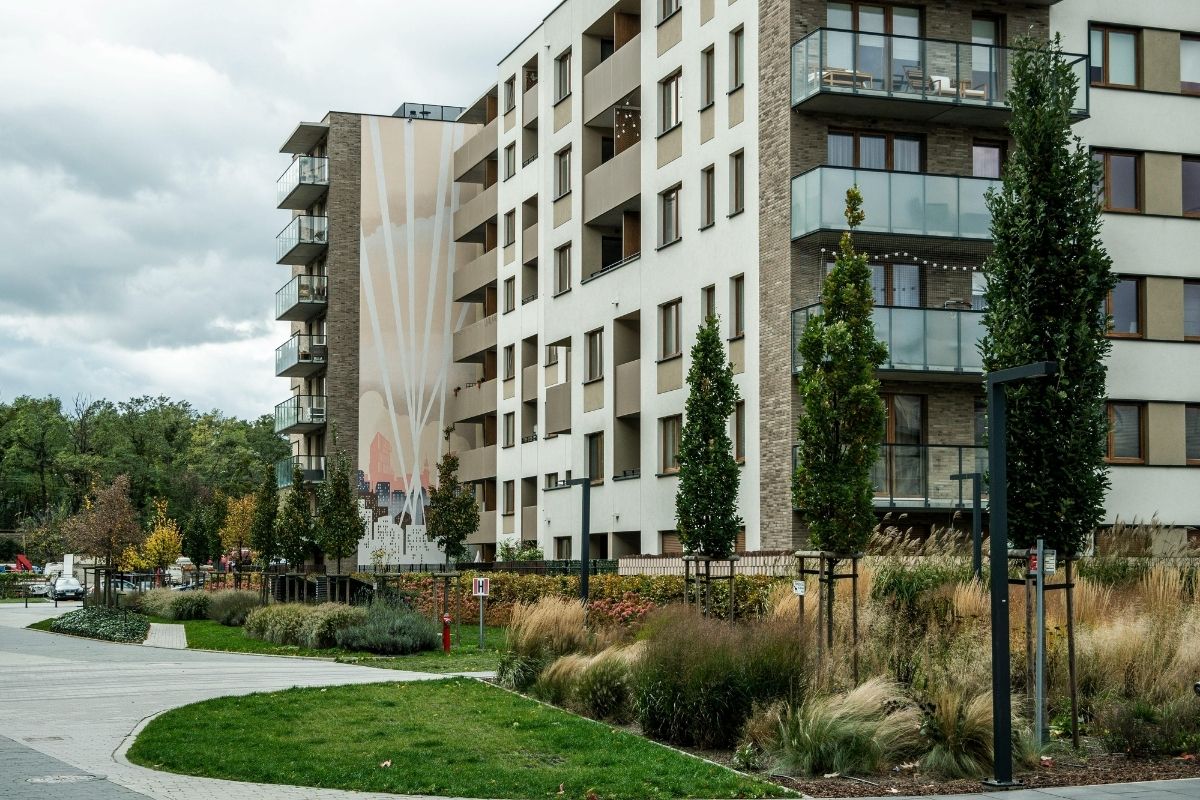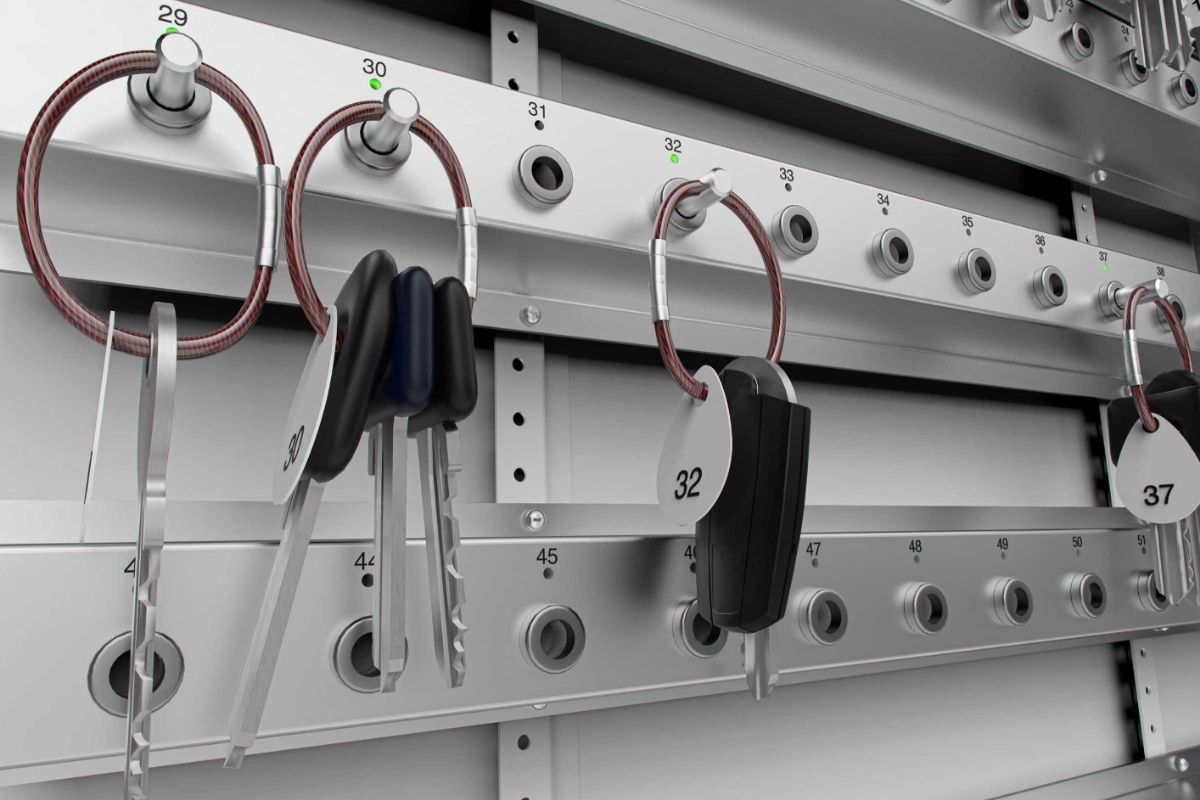
There are two places where CCTV becomes incredibly important.
The first is where there are too many people - and the second is where there are almost none.
Think:
And:
On the surface, those environments couldn't be more different - one is crowded, one is empty.
Yet both face exactly the same challenge - they’re surprisingly difficult places to deploy reliable CCTV.
Power, internet and reliable connectivity are often either unavailable, overloaded, or simply not fit for purpose. And even when you solve those problems, you still need to physically get the CCTV system there.
Imagine you've got hundreds of thousands of dollars' worth of machinery sitting behind a fence.
It could be luxury boats, a fleet of vehicles, a yard full of machinery, generators or construction materials.
Whatever the details - the security requirements are similar across the board.
The site doesn't have power. Or internet. The nearest building is half a kilometre away.
Yet you still need:
Traditionally, the answer has been:
Mount a camera, add a solar panel, connect it to the mobile network and call it a day.
And for long periods of time, everything works exactly as expected.
Then comes the storm, the coverage issue or the incident that actually matters.
That's usually when the cracks start to appear.
Now let's go to the complete opposite extreme.
Thousands of people. Phones everywhere. Everyone uploading photos, videos and social media content at the same time.
The mobile network is working overtime.
And suddenly, the very system designed to monitor the event starts struggling because it's relying on the same congested network as everybody else.
It's a surprisingly common issue.
Many mobile-connected CCTV systems perform perfectly during testing. Then the crowd arrives.
Which is slightly unfortunate, because the crowd is usually the entire reason the cameras are there.
A lot of portable CCTV towers follow a familiar formula:
A solar panel.
A camera.
A SIM card.
A battery.
An SD card.
And for many applications, that's perfectly adequate.
But when you're protecting high-value assets or monitoring large public events, those limitations can start to show.
Storage capacity is often limited. Battery reserves can be short. Connectivity relies entirely on the mobile network.
Most of the time, that's not a problem.
Until it is.
The challenge is that remote locations often have poor coverage, while major events have the opposite problem - too many people trying to use the same network at once.
And when bandwidth becomes scarce, the very system you're relying on for security can suddenly find itself competing for connectivity.
The result?
The CCTV system you need most is often under the greatest pressure at precisely the moment it matters most.
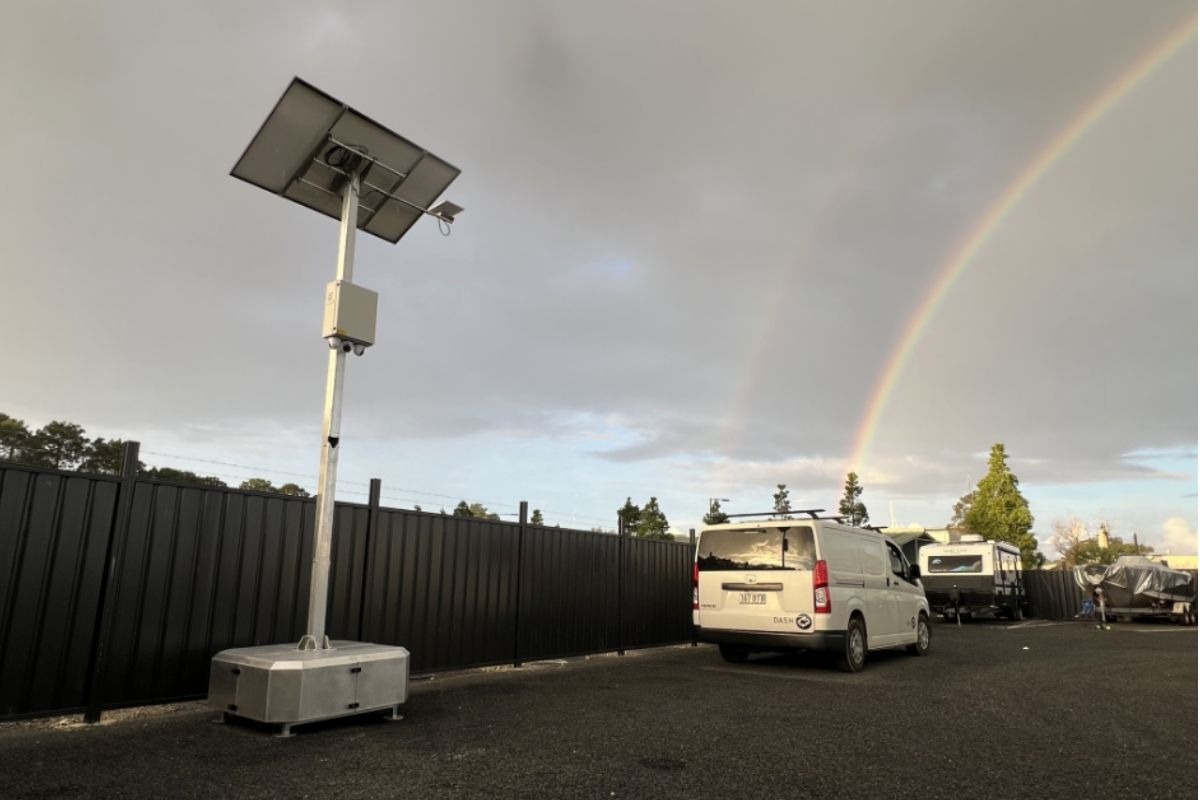
The DASH Remote CCTV Pole was designed to solve those challenges.
Instead of relying on mobile networks, the system uses Starlink for connectivity.
That means event attendees can upload photos, livestream videos and scroll social media all day long without affecting CCTV performance.
The security system operates on its own dedicated connection.
For events, that reliability is a game changer.
For remote locations, it opens up entirely new possibilities.
Because now you can deploy professional-grade CCTV in places where traditional internet services simply don't exist.
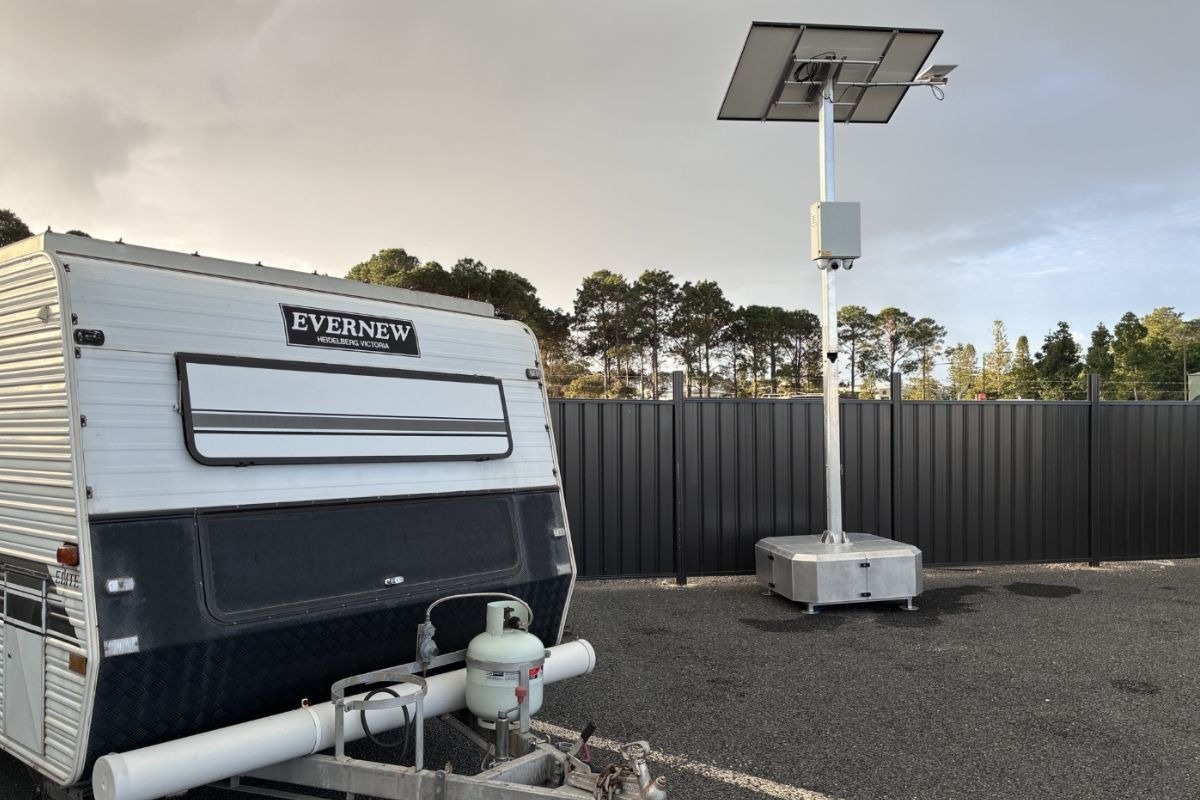
The system combines:
And unlike many portable CCTV solutions that rely on SD cards, footage is stored on a full-sized UniFi NVR with up to 20TB of storage.
That's a significant leap in capability. But the real magic isn't the storage - it's what you can do with it.
We've reached the point where AI features are finally becoming practical.
Using UniFi Protect, users can search footage using:
Instead of manually scrolling through hours of recordings, users can quickly find exactly what they're looking for.
It's faster.
It's more accurate.
And when you're investigating an incident, it can save an enormous amount of time.
Here's something people don't often think about.
Most "portable" CCTV towers aren't particularly portable.
Many are mounted to large concrete ballast blocks weighing close to a tonne.
Moving them often requires:
Which is fine.
Until you need to move one.
Our system was designed differently.
The ballast can be removed.
The components can be broken down.
The entire unit can be relocated by two people.
Which means if a person can physically reach the site, there's a good chance the CCTV system can get there too.
And if your site changes?
The system can move with it.
This flexibility makes the Remote CCTV Pole particularly valuable for:
Places where permanent infrastructure doesn't make sense.
Or simply doesn't exist.
In off-site locations such as storage facilities and remote venues, aesthetics are often a lower priority.
In customer-facing environments however - Boat Shows, Conferences and Festivals - reliable security and aesthetics are equally important.
The challenge is rarely the camera itself.
It's everything around it.
Power. Connectivity. Installation. Access.
The places that need security the most often have the least amount of supporting infrastructure. And in some cases, they have the opposite problem - thousands of people all trying to use the same infrastructure at once.
Whether you're protecting high-value assets in a remote storage yard or monitoring a major public event, the requirement is ultimately the same:
The CCTV system needs to work when it matters.
Not when conditions are perfect.
Not when the network is quiet.
Not when the weather is behaving itself.
When it matters.
That's exactly what the Remote CCTV Pole was designed to do.